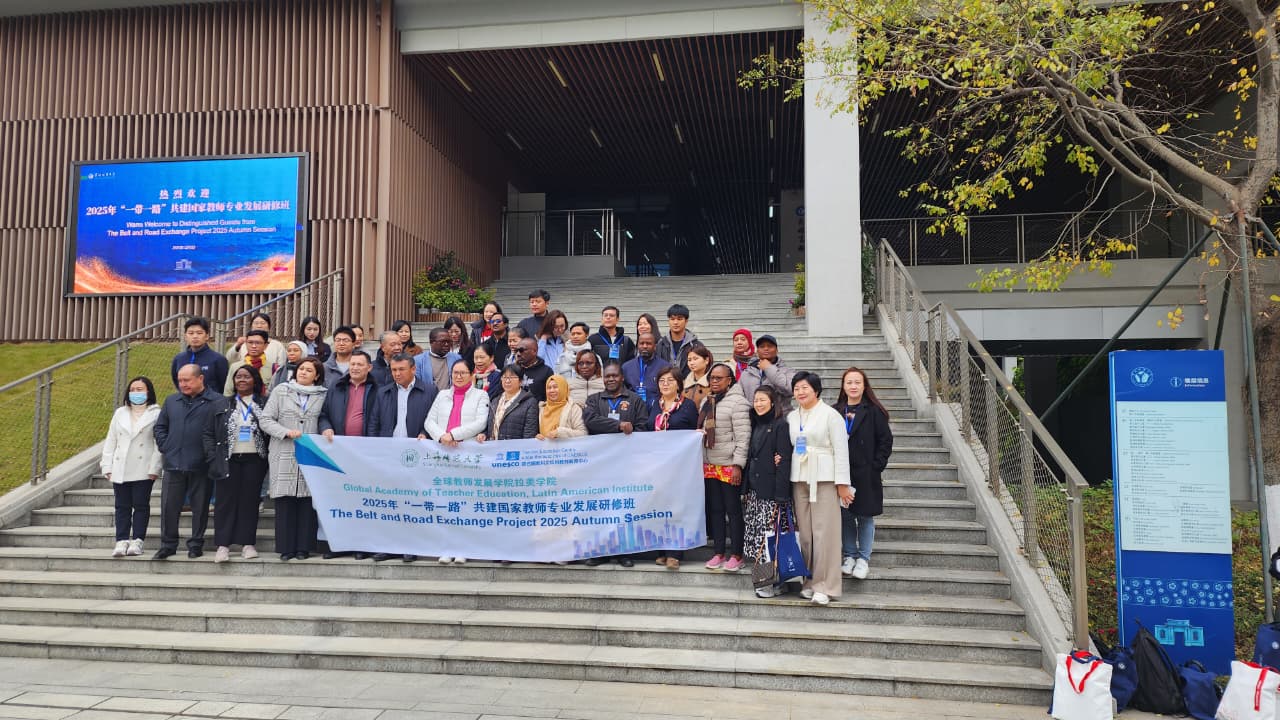
Jakarta, Indonesia, Humas UNJ- Two distinguished lecturers from Universitas Negeri Jakarta (UNJ) are selected representing Indonesia to participate in a prestigious UNESCO-sponsored “Belt and Road” Project. The event, held in Shanghai, China, from November 28 to December 8, 2025.
Sri Rahayu (Secretary of International Office), and Mutia Delina [Coordinator for International Collaboration] represented Indonesia at this high-level forum. Their participation underscores UNJ’s growing reputation as a center of academic excellence and its commitment to addressing global challenges through international collaboration.
The project, raised the theme of “Professional Development for Primary and Secondary Educators”.
This two-week intensive education forum and cultural immersion program brought together education administrators, university educators and researchers, school principals and teachers from Belt and Road countries.
The core mission was to foster intercultural dialogue, sustainable development knowledge, and people-to-people connectivity. It wasn’t just theoretical; it combined 6 sessions of high-level expert seminars at UNESCO Shanghai, 4 sessions of field visits to school, 4 visits of museum/ exhibition hall, 1 visit of youth centre and visit of technology enterprise.
The moment tackled real-world challenges related to quality education, digital inclusion, and heritage conservation.
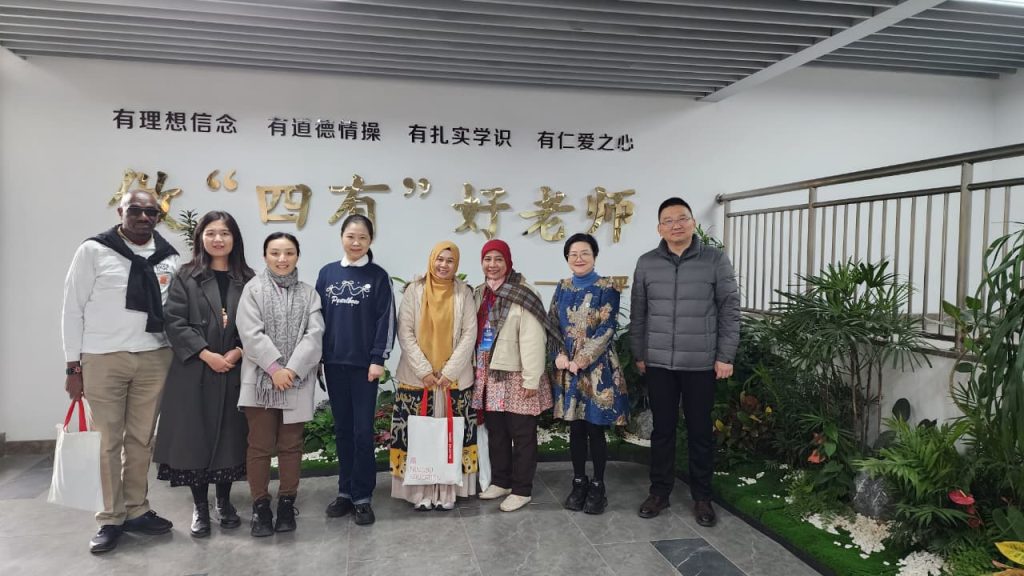
My motivation to join this precious event came from a desire to move beyond the headlines about Belt and Road and understand the ground-level impact on communities, culture, and sustainable development, Sri Rahayu mentioned. Mutia mentioned that I wanted to be part of a solution-oriented, UNESCO-led dialogue, she said.
The most valuable aspect or a key highlight of the experience are:
First, the quality of Expert and peer-to-peer learning. It is mind blowing one. Sent by expert information and knowledge. Education issues, innovative philosophies, evidence- based practices and actionable strategies in TALIS, STEM, AI and Social emotional competencies and student support discussed here. Diverse perspectives among participants created a solution far richer than any of them might could have devised alone.
Second, the theme of “Shared Heritage, Shared Future” truly came alive. Visiting historical and noticeable education herritage draw the path of to education and community resilience.
Participants engaged in intensive workshops, site visits to cutting-edge Chinese research and development hubs, and collaborative planning sessions aimed at designing concrete joint projects.
“For UNJ, this is a significant milestone,” said Rahayu “The forum was not just about sharing knowledge, but about co-creating solutions. We explored tangible partnerships in areas like STEM, AI, which we can adapt and implement for the benefit of Indonesia.”
Mutia added, “The cross-cultural exchange was invaluable. Interacting with colleagues from over 30 countries provided fresh perspectives on how educational policy and technological innovation can intersect to drive sustainable development. We are bringing back insights that will directly enrich our teaching and research at UNJ.”
The delegation’s involvement aligns with UNJ’s strategic goals of enhancing its international network and contributing to globally relevant research. The connections forged in Shanghai are expected to lead to future student and faculty exchanges, joint publications, and research proposals under the UNESCO and Belt and Road cooperation.